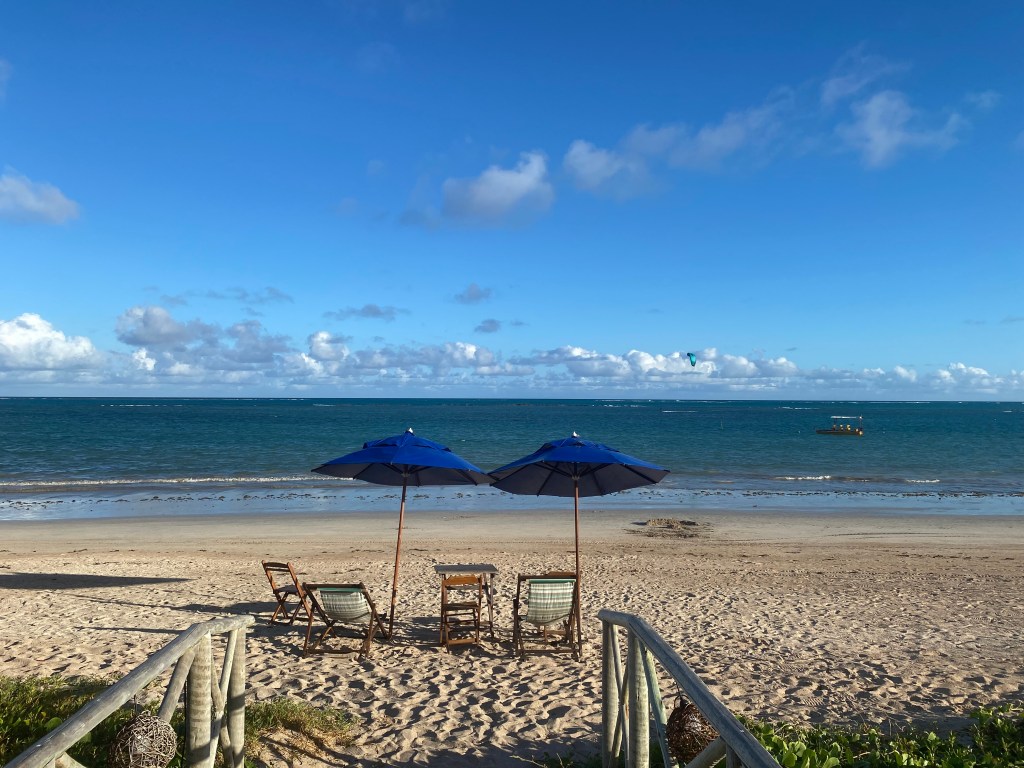
Canada and the U.S. have issued dengue fever and chikungunya advisories for certain regions of Mexico, the Caribbean and Central America. Here’s what you need to know.
By Brenda Spiering
It happens every year. Come January, I start dreaming of a winter escape. But those warm tropical shores with turquoise waters and swaying palms come with a new risk. The little Aedes mosquitoes, common throughout Mexico and the Caribbean, have begun spreading an increasing number of cases of dengue fever and Chikungunya.
I first heard of dengue several years ago. I was heading home from a week of obliviously enjoying the beautiful island of Guadeloupe when I noticed a sign warning about it posted in the airport. I was lucky. I didn’t contract dengue. Then, in subsequent visits to the Caribbean, I completely forgot about it – until now.
The U.S. Centers for Disease Control and Prevention (CDC) is currently warning that a record high number of cases of both dengue and chikungunya (another mosquito-borne disease) are being reported in many popular tropical destinations.1 Sobering news. Not enough to deter me from planning a trip south. But enough to make me:
- Use mosquito repellent. I prefer non-DEET-based picaridin spray as it doesn’t damage or discolour synthetic clothing. Fragrance-free brands such as Piactive can provide up to 12-hour protection and studies show it’s equally effective to DEET.
- Stay indoors during peak mosquito times. This year, I won’t be sipping a cocktail watching the sunset. Aedes mosquitoes can bite at any time of day but tend to be most active in the early morning and evening.
- Cover up. I still plan to swim (fortunately windy beaches tend to be free of mosquitos), but out of the water I’m going to follow recommended precautions and wear loose, light-coloured, long-sleeved shirts and pants. Apparently, mosquitos are attracted to dark colours, so it’s best to avoid wearing black, navy, red and orange.
- Avoid summer months. Fortunately for those of us planning a winter escape, peak mosquito season in the Caribbean is during the rainy season from June to November, with the highest transmission of mosquito-borne illnesses tending to be between August and December.2
What to watch for
- Dengue symptoms usually begin 4 to 10 days after being bitten by an infected bug and may include a high fever, headache, joint pain, nausea, vomiting, pain behind the eyes, a rash and swollen glands. The good news is that most people recover in a week or so. The bad news is that severe dengue can be a life-threatening emergency, causing bleeding from your gums or nose and difficulty breathing.3
- Chikungunya symptoms usually develop between 3 and 7 days after a mosquito bites you.4 Similar to dengue, they may include headache, muscle pain, rash, fatigue and nausea and most people recover in about a week. The key difference is that chikungunya includes joint swelling and, while complications are rare, it can cause chronic joint pain.
Treatment
Should you feel unwell, it’s recommended to only take acetaminophen until dengue is ruled out, as Aspirin or ibuprofen can increase the risk of internal bleeding.5 In the case of severe symptoms, seek immediate medical attention.
Why are cases on the rise?
Mosquito-borne diseases have been increasing since the 1970s when the U.S. banned the use of the environmentally harmful DDT insecticide and the Pan American Health Organization abandoned its mosquito eradication efforts in the Caribbean, Central and South America and the southern U.S.6 A rise in international travel has also helped viruses to spread.
Other mosquito-borne illnesses
The main mosquito-borne illnesses in the Caribbean are dengue, chikungunya and zika (which has been declining since a major outbreak in 2016). Yellow fever is also an issue in Central and South America.
Visit a travel clinic for advice on vaccination. (Chikungunya and yellow fever vaccines are not recommended for seniors due to potential adverse reactions. As of early 2026, there is no approved Dengue fever vaccine available in Canada or the U.S.)
1 www.cdc.gov/han/php/notices/han00523.html
2 pmc.ncbi.nlm.nih.gov/articles/PMC2600332
3 www.mayoclinic.org/diseases-conditions/dengue-fever/symptoms-causes
4 my.clevelandclinic.org/health/diseases/25083-chikungunya
5 my.clevelandclinic.org/health/diseases/17753-dengue-fever
6 pmc.ncbi.nlm.nih.gov/articles/PMC2535648
 Packed and Ready to Go Blog
Leave a comment