Thinking of planning a trip to Brazil? Feeling daunted by all those online travel advisories? Here’s what I learned from a recent tour of the country.
by Brenda Spiering
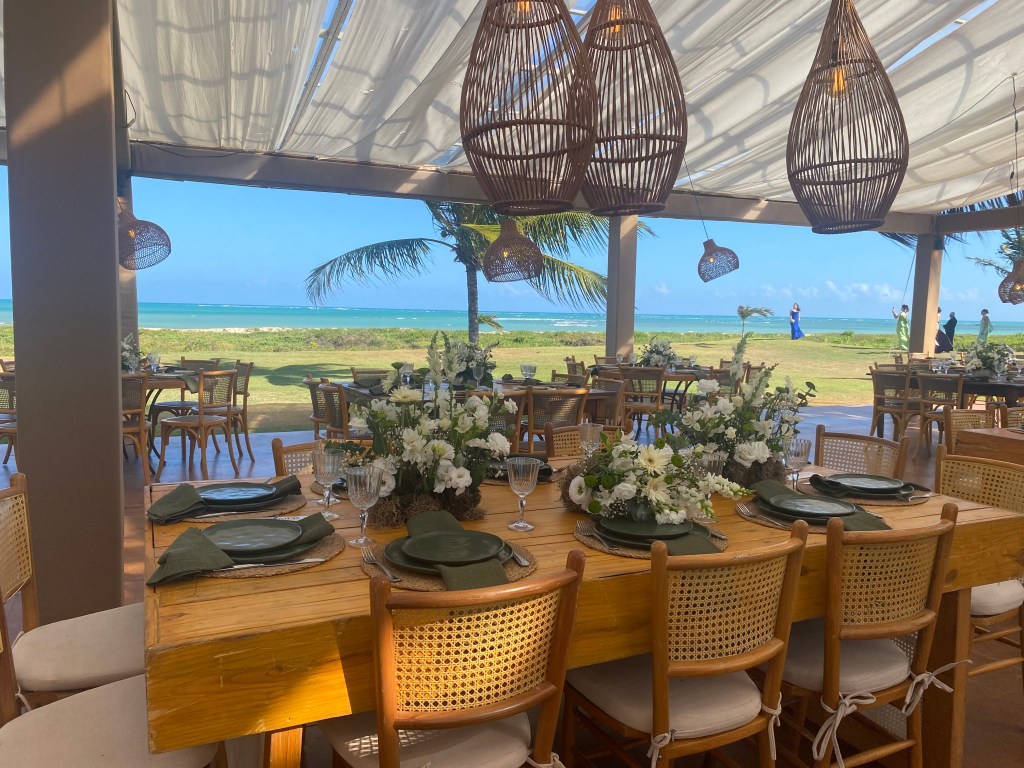
It all started when my husband Rick and I were invited to a destination wedding in a remote village on the northeast coast of Brazil. The first challenge was figuring out how to get there. On the downside, we discovered it would involve a 10-hour flight from our home in Toronto to Rio de Janeiro, followed by a 3-hour flight to Recife and then a 3-hour drive to São Miguel. On the upside, it was an opportunity to explore a country we’d never been to before.
When we shared our plans with friends and family, their reactions were mixed. Some thought it would be exciting. Others thought it would be unsafe. I can now confirm that, with some careful planning, it was an incredible adventure.
Like many South American countries, Brazil suffers from extreme wealth disparity. As a tourist, it’s important to research where to go and where not to go. This is especially true about Rio, where we started our tour. While I read online that the region had mixed reviews in terms of safety, it was rated tops in terms of beauty.
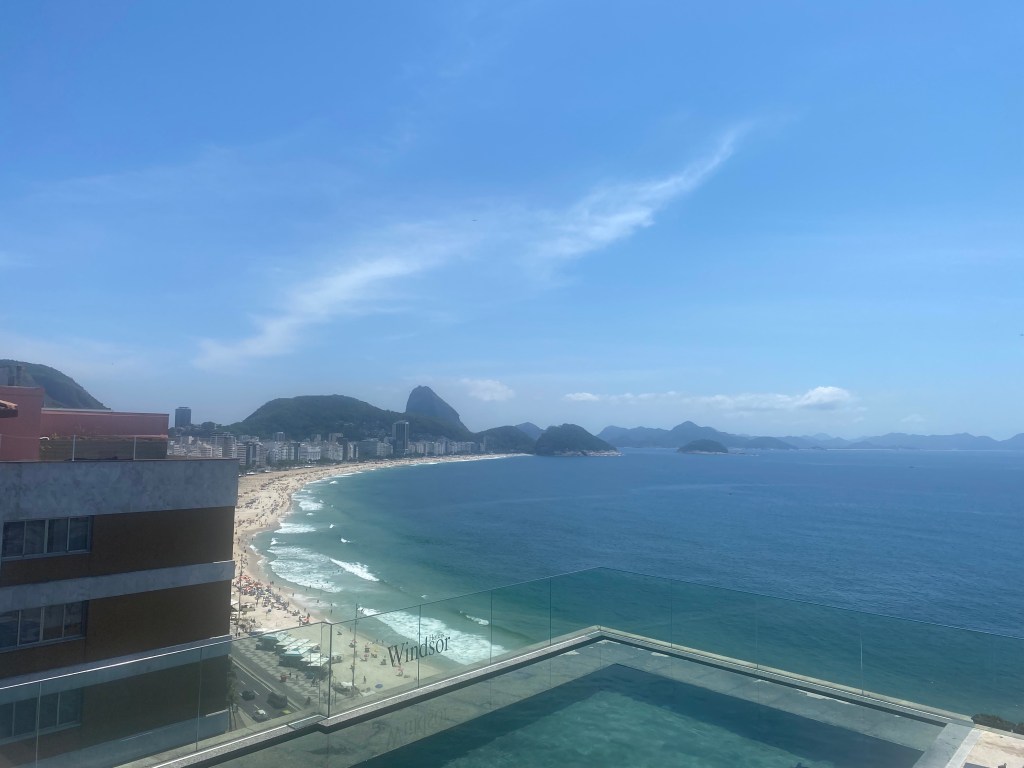
We decided to stay on the iconic Copacabana Beach, famous for its extensive crescent-shaped sandy beach and Portuguese-tiled promenade, and I managed to book a hotel with a fabulous rooftop pool. (Rick joked that my plan was to tour Brazil safely by balcony.) But while the view from up high of the city, ocean and surrounding green mountains was indeed breathtaking beyond my wildest expectations, after a morning sipping espresso by the pool, I was up for exploring on the ground. What I discovered was a chaotic, exciting, yet wonderfully walkable beachfront. And, apart from a few persistent street vendors, we had an enjoyable, issue-free time touring the region.
Indeed, despite all the warnings posted on Google, visit the coast of Brazil and you will find lots of first-class, modern hotels and restaurants, and endless sandy beaches populated mainly by picnicking locals. The sea water tends to be green and milky – and warm as soup in the summer – better for wading than swimming. But strong onshore breezes make it ideal for kite boarding. Grab a beach chair, stick your feet in the sand and enjoy the colourful activity on shore and sea.

We found the people in Brazil to be exceedingly warm and friendly. Most don’t speak English but will calmly wait while you fumble with Google trying to translate what you’re saying into Portuguese. Service in restaurants is never rushed, so slow down and relax. When your coffee finally arrives, it will be the most delicious you’ve ever tasted!
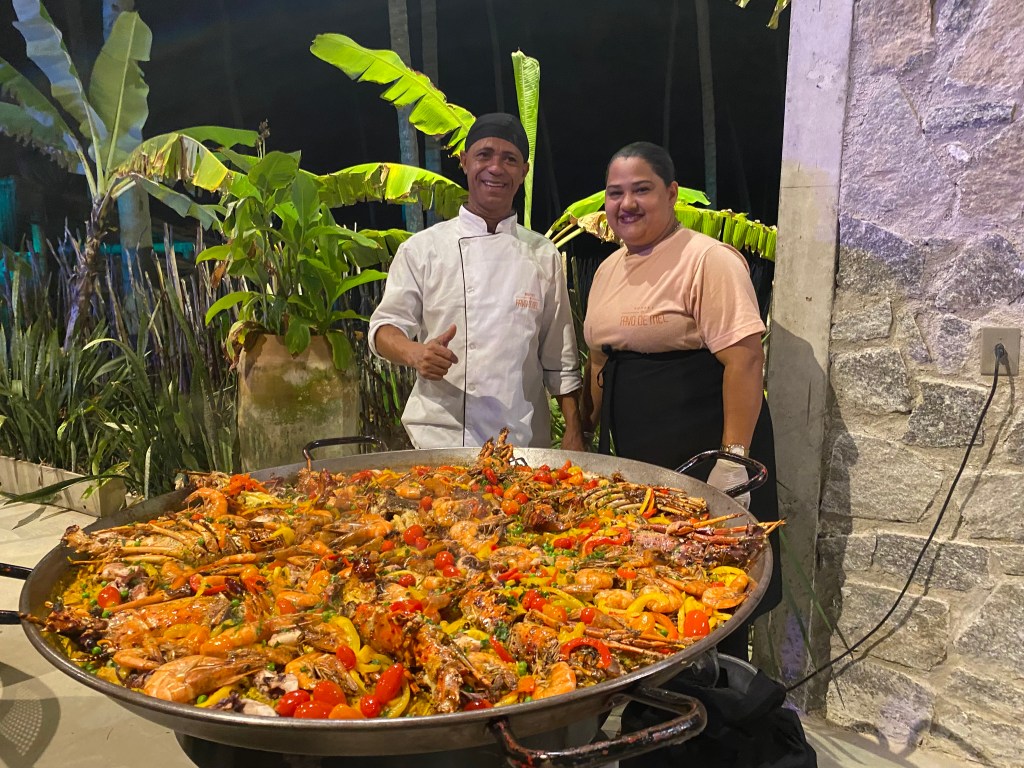
For the best cuisine, have a local order for you. You may not recognize everything on your plate (common side dishes include polenta, tapioca and cheesy cassava bread balls), but it will be far tastier than if you order the kind of food you eat back home. Like calamari? It’s part of nearly every meal – locals just smile and explain their sea is full of octopus, both large and small. Their paella is brimming with them and always delicious. Order a caipirinha (Brazil’s national cocktail made with the sugarcane spirit “cachaça,” sugar, lime, and ice) and you will be assured a good time.
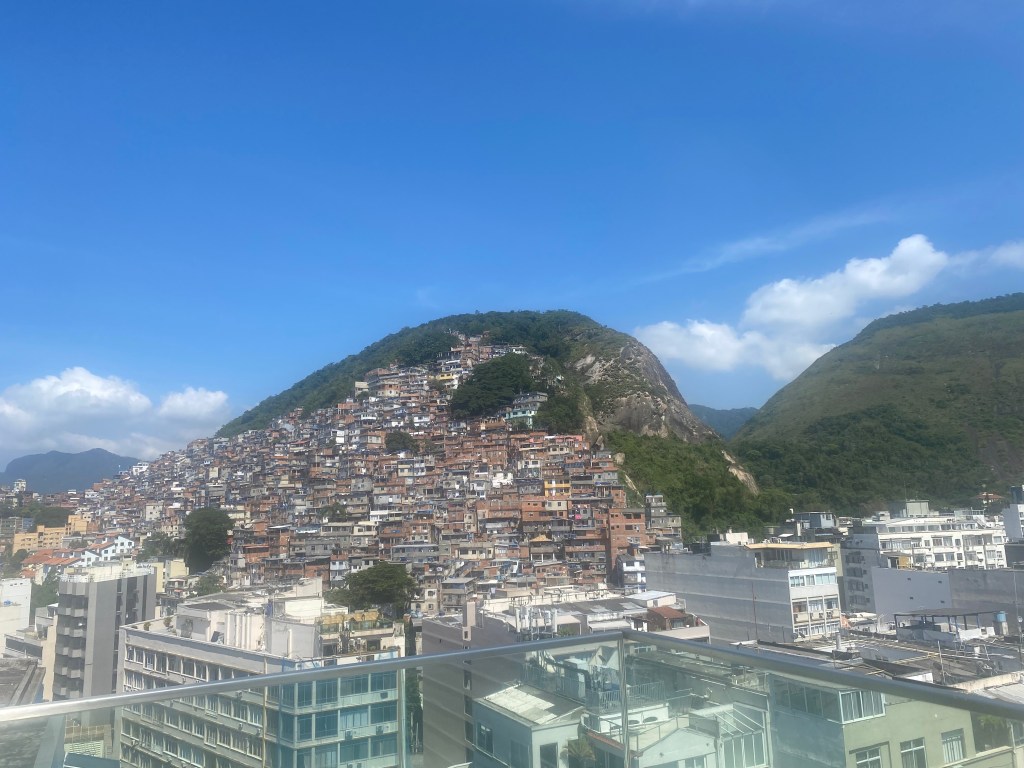
But, while supporting local establishments, practicing responsible tourism includes being mindful of safety and avoiding overt displays of wealth. Just a block or so behind all those upscale coastal beachfront hotels lie extensive favelas – impoverished settlements built on hillsides and vacant land from scavenged materials. Much of the population of Rio – and indeed of most of Brazil – lives in favelas. They have few roads, just narrow pathways. Don’t go there. The residents are welcoming and love to celebrate with fiestas and fireworks (at all hours of the day and night). But current gang violence makes the regions unsafe to visit.
Despite limited infrastructure, however, enterprising Rio entrepreneurs have seemingly connected everyone to the grid. In fact, most power poles have literally hundreds of wires tangling off in every direction. Entrepreneurial plumbers also reportedly tap illegally into the city’s water systems. Runoff is problematic. Drink bottled water.
After visiting Rio in the south of Brazil, our goal was to explore the coast northwards till we reached São Miguel, the location of our friends’ son’s wedding. We decided the easiest way to do this was to book a cruise that stopped in multiple ports along the way. Indeed, it turned out to be a perfect way to be effortlessly transported along the shore (while enjoying warm sea breezes and fun onboard entertainment).
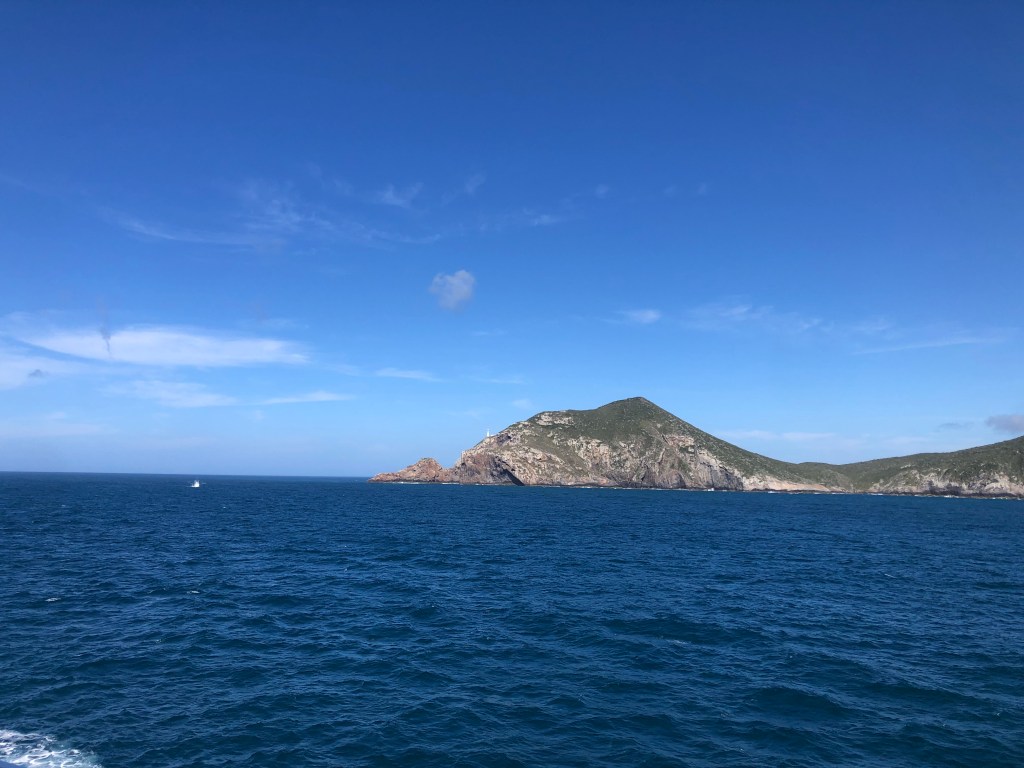
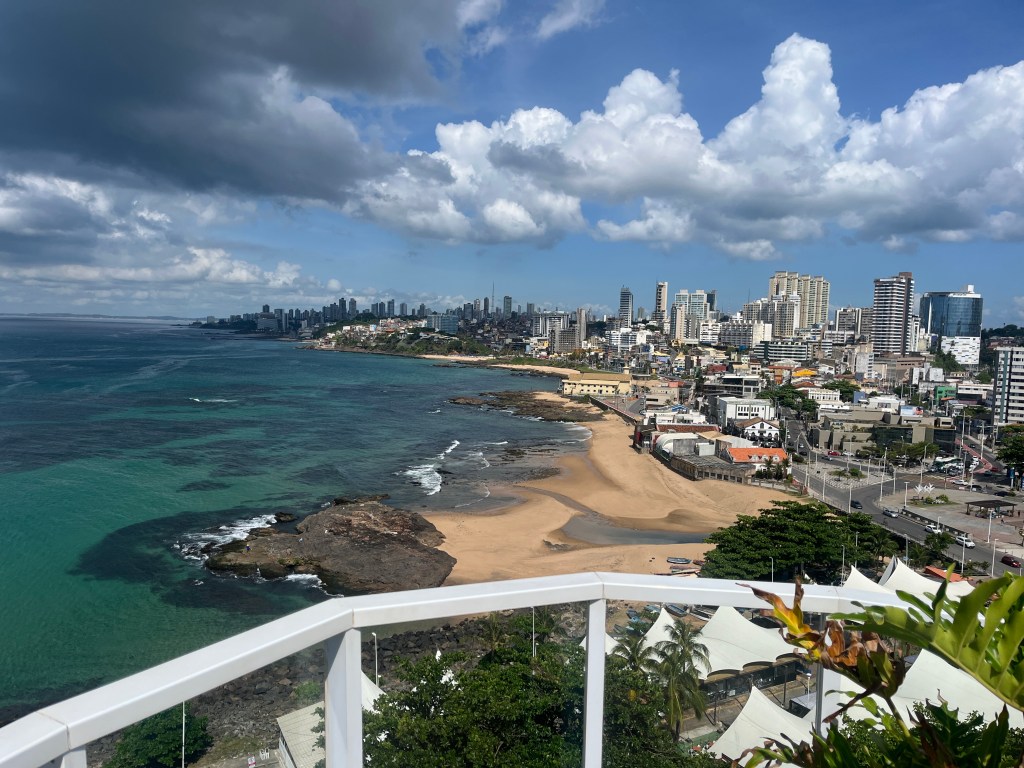
What did surprise us was the size of most of the “towns” we visited. Most of Brazil’s population lives along the coast. While we were aware that the population of Sao Paulo and Rio are huge (23 million and 14 million respectively), we also visited Salvador and Recife (each over 4 million) and Maceio (1.4 million.) Entering some of these ports was more like entering the port of Chicago rather than, say, that of a Caribbean island. Nearly all were lined with endless stretches of white high rises backed by favelas.
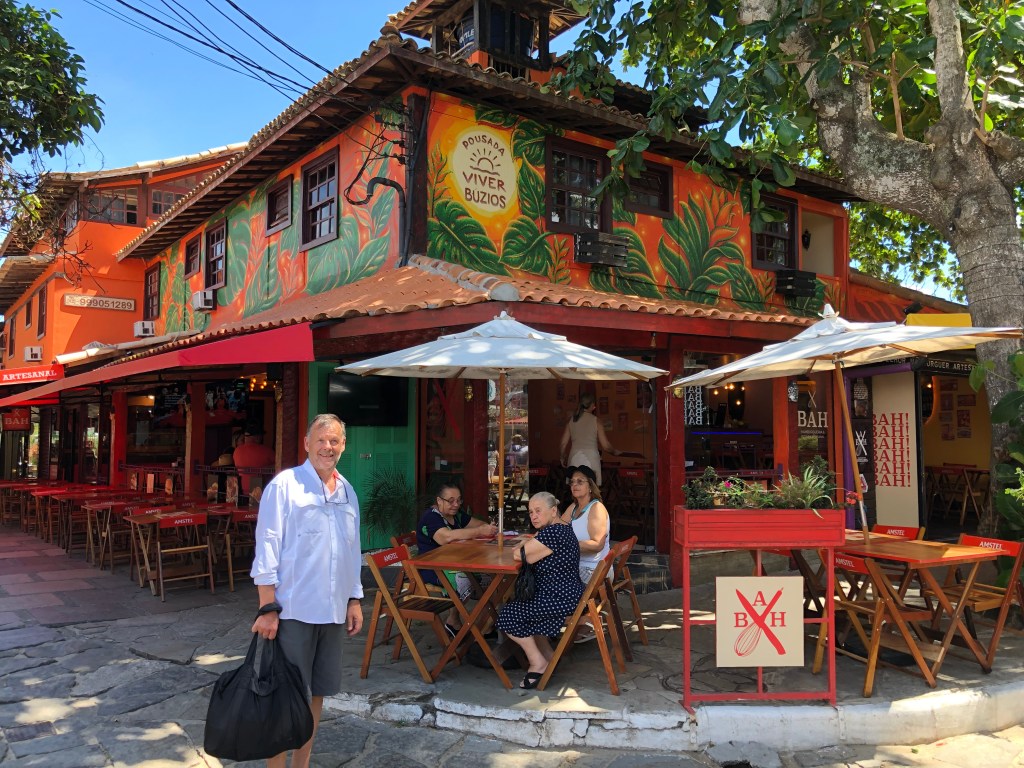
The exceptions were Buzios, a small rustic fishing village (made famous by Bridget Bardot, who visited during the ’60s) and our final destination, the tiny town of São Miguel (too small and remote for cruise ships to visit and our favourite place by far).
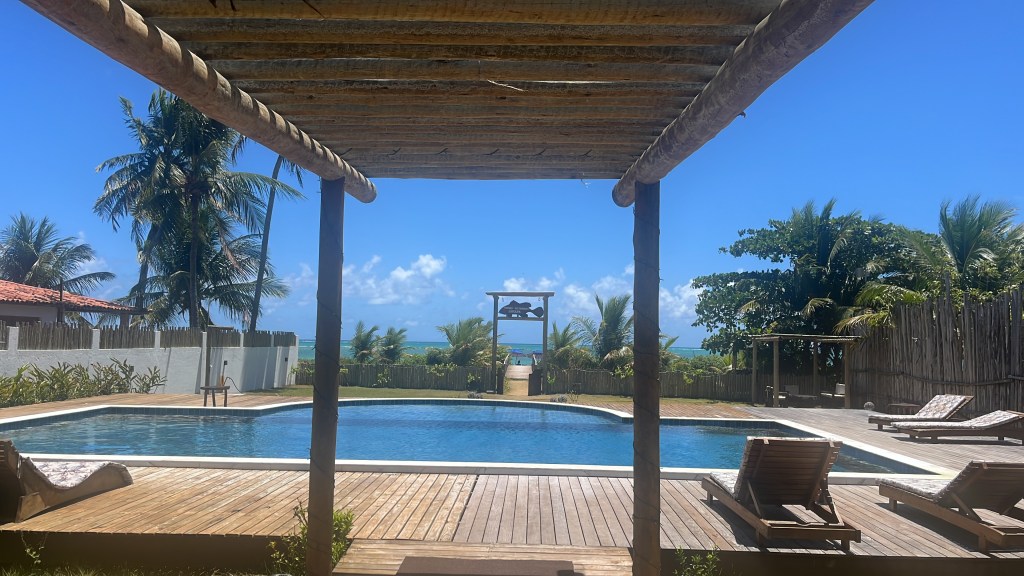
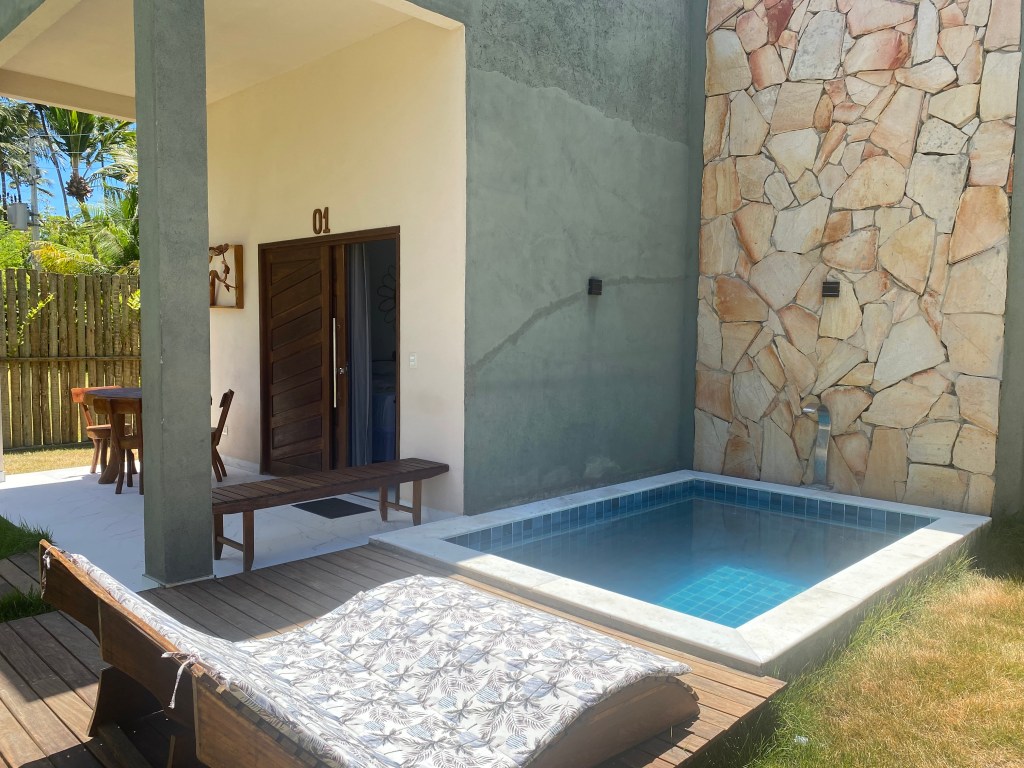
São Miguel is fronted by endless empty beaches. Much of the accommodation in the region is provided in individual huts – some modest, some grand. Ours (in a beautiful, first-class, beachfront resort) had immaculate sheets, tile floors swept clean every day and a small private pool. But the windows didn’t have screens or glass (just loose shutters that could be pulled in at night).
When we noted all the ants streaming in under the sliding front door, the lovely woman who maintained our room just smiled and suggested we stamp on them, which I did. When we inquired about a safe, she laughed and said not to worry – there was no need to lock up our valuables in this part of the country. And after a day, we did stop worrying about everything. We enjoyed watching playful monkeys scampering in the rafters of the open-air restaurant, walked for miles on the hard-packed sand beach and marvelled at the swaying palms, crashing waves and small bobbing fishing boats.

Just don’t rent a car to drive there. Coastal motorways are bumpy, winding two-way roads. City outskirts can be rough and once in the country, you may have to drive through clouds of smoke billowing off burning cane fields. Brazilian drivers also seem to all be aspiring Formula One race car drivers, going maximum speed around hairpin turns and playing chicken with oncoming traffic. Plus, careening down the centre line, weaving between the two lanes of cars and trucks, are always streams of motorcycles (with riders – inevitably two to a bike – clad only in T-shirts, shorts and flip flops). Best hire an Uber and just shut your eyes.
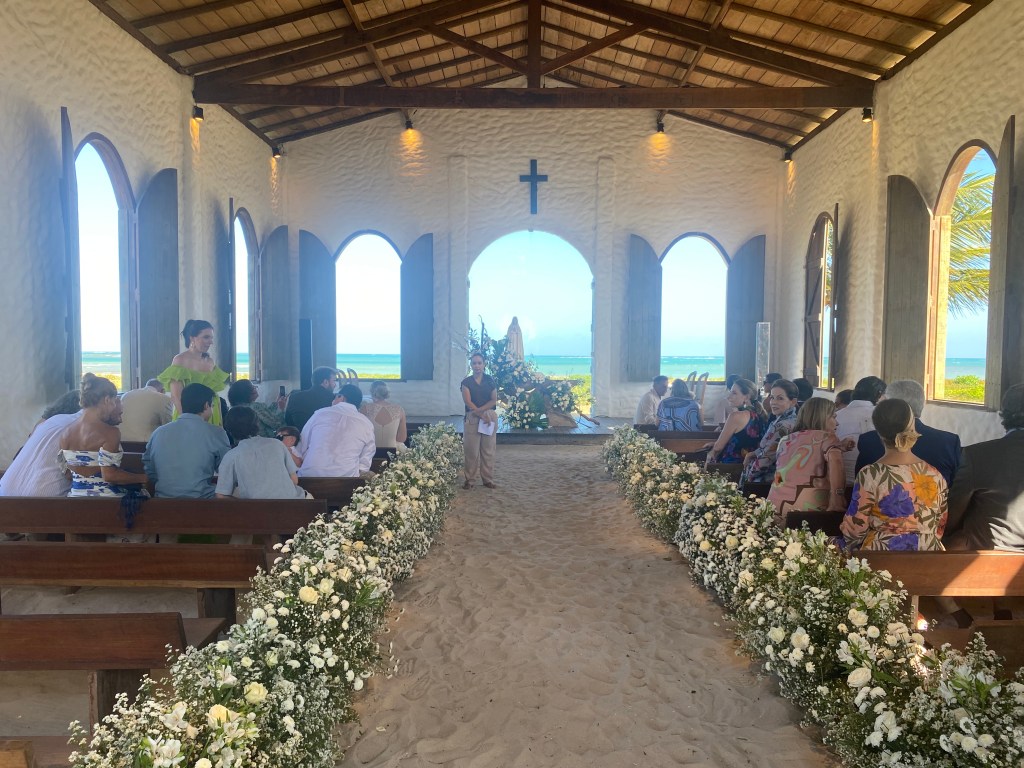
As São Miguel dos Milagres is a two- or three-hour drive from the nearest cruise port (or airport), getting there is a challenge. If not for our destination wedding invite, we would surely have missed it. But it was the highlight of our trip. Watching our dear friends’ son and his beautiful bride exchange vows in a charming old chapel on the beach, followed by a fabulous Brazilian feast and dancing under the stars was magical. It made us fall in love with the coast of Brazil.
Should you venture there, close your eyes, face the warm sun, listen to the roar of the ocean and the laughter of children jumping the waves, and you will understand why, despite all its many challenges, Brazilians love their country passionately and would never trade their laid-back, open-air lifestyle to live anywhere else.
Travel tips
How to apply for a visa to enter Brazil:
- Canadians need a Visa to enter Brazil.
- Start the application process a month before departure to ensure you receive it on time. (Standard processing time – assuming all information has been correctly uploaded – is around 10 days.)
- While you can store the downloadable visa on your phone, be sure to also print a copy of it as you must present a printed version upon landing in Brazil.
- Apply at: https://brazil.vfsevisa.com/information
Where to stay:
- Given some regions have safety issues, it’s important to do some research in advance before booking where to stay.
- Recommended hotels we stayed at along the coast:
- Rio de Janeiro: Miramar by Windsor Copacabana
windsorhoteis.com/hotel/miramar-by-windsor-copacabana - Salvador: Novotel Rio Vermelho
all.accor.com/hotel/B275/index.en.shtml - Maceio: Mercure Maceio Pajucara
all.accor.com/hotel/6663/index.en.shtml - São Miguel dos Milagres: Pousada Garoupa
pousada-e-restaurante-garoupa.hoteis-noreste-de-brasil.com
- Rio de Janeiro: Miramar by Windsor Copacabana
Coastal cruise:
- MSC cruise line offers a variety of cruises along the coast of Brazil
www.msccruises.ca


 Packed to Go Blog
Leave a reply to clos Cancel reply